












Uncovering The Linguistic Roots Of Soda, Pop & Coke
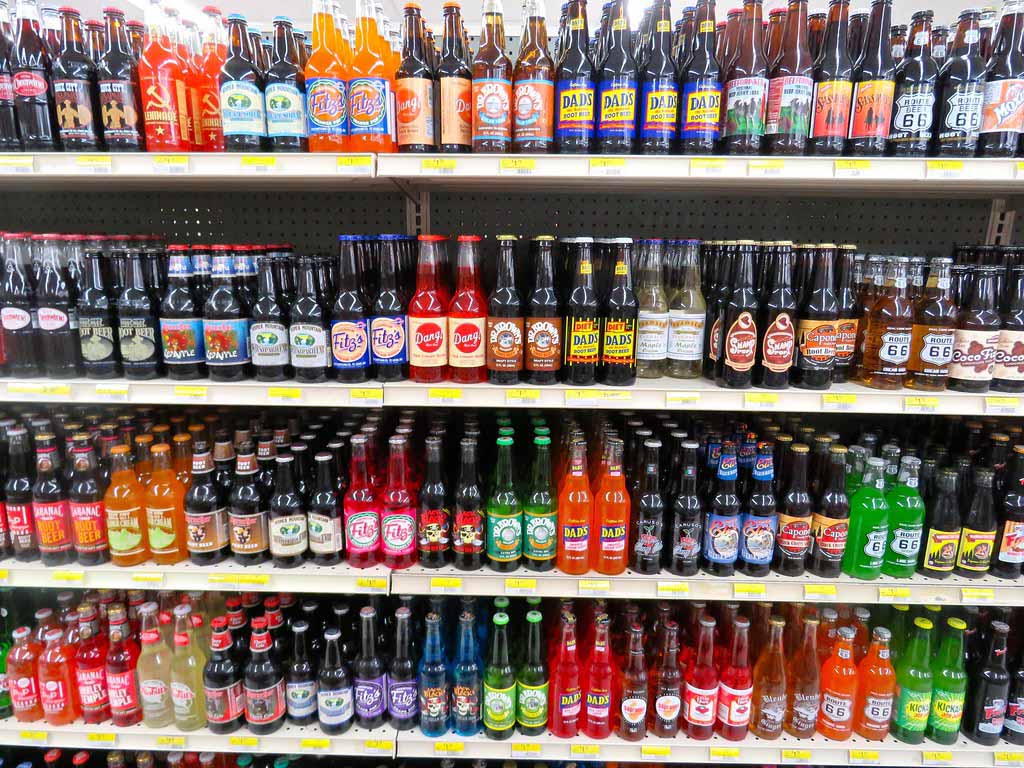
One of the most interesting things about traveling the U.S. is hearing the distinctive ways in which people speak. I’ve been fortunate to live in several major cities and visit many states. Thanks to those experiences, I’m confident in my understanding of accents and regional slang. While accents are the primary distinction between regions, there are instances when people use different words for the same thing. The different terms for a carbonated beverage are a great example of that. Depending on your location, you may hear soda, pop, or simply Coke.
When I was younger, my family and I relocated to Georgia. Like any move, it took some adjustment for everyone — except for my sister, who swapped our Midwestern tongue for a Southern twang seemingly overnight. I remember how people reacted to my use of the word “pop.” Confusion at first, followed by, “Oh, you tawkin’ ’bout soda?” I fought tooth and nail to hold onto my Midwestern spirit, but ultimately succumbed to the South’s soda standards.
It makes you wonder why people refer to soda differently. If you live in the Midwest, referring to pop as soda will earn you a quick side-eye — St. Louis is an exception, as apparently the city has a lot of East Coast influence. Speaking of the east, locals there use soda. Whereas in the South, soda is also common but not as popular as simply “Coke.” But why can’t we all just agree on one word? I did a bit of digging and found that the origin behind each of these regional terms actually makes a lot of sense.

According to Dictionary, the word soda comes from sodium, which is a key ingredient in carbonated beverages. Before becoming a popular beverage, it was initially available at pharmacies only because people believed that carbonated beverages cured illnesses. The word became popular amongst East Coasters in the 1800s, when New Haven, Connecticut introduced the nation’s first soda fountains.
Pop also has a logical backstory. The word itself is an onomatopoeia of the sound that comes from opening a can of soda. According to research published in the Journal of English Linguistics, it originates from the phrase “pop goes the cork,” which was written in a famous letter by an English poet named Robert Southey in 1812. The working theory is that Midwesterners began using the word pop because it came in a bottle, unlike the East Coast where soda fountains were prominent.
In the South, coke is the dominant term for pretty obvious reasons: Coca-Cola. Atlanta is actually the base of the world’s top beverage brand. As recognizable as the Coca-Cola brand is worldwide, its potential influence on the surrounding states is easy to deduce. If you’re ever traveling below the Mason-Dixon, don’t be surprised if you hear someone refer to Sprite, or even Sunkist, as Coke. Fun fact: Coca-Cola gets its name from the original 1886 recipe, which contained trace amounts of cocaine, back when doctors used it as an anesthetic.
So there you have it. Whether you’re a pop purist, a devout soda sayer, or a member of the Coke cult, one thing’s for sure, it’s a delicious beverage everyone loves.