

















New California Bill Aims To Bring Amsterdam-Style Food & Music to Cannabis Lounges
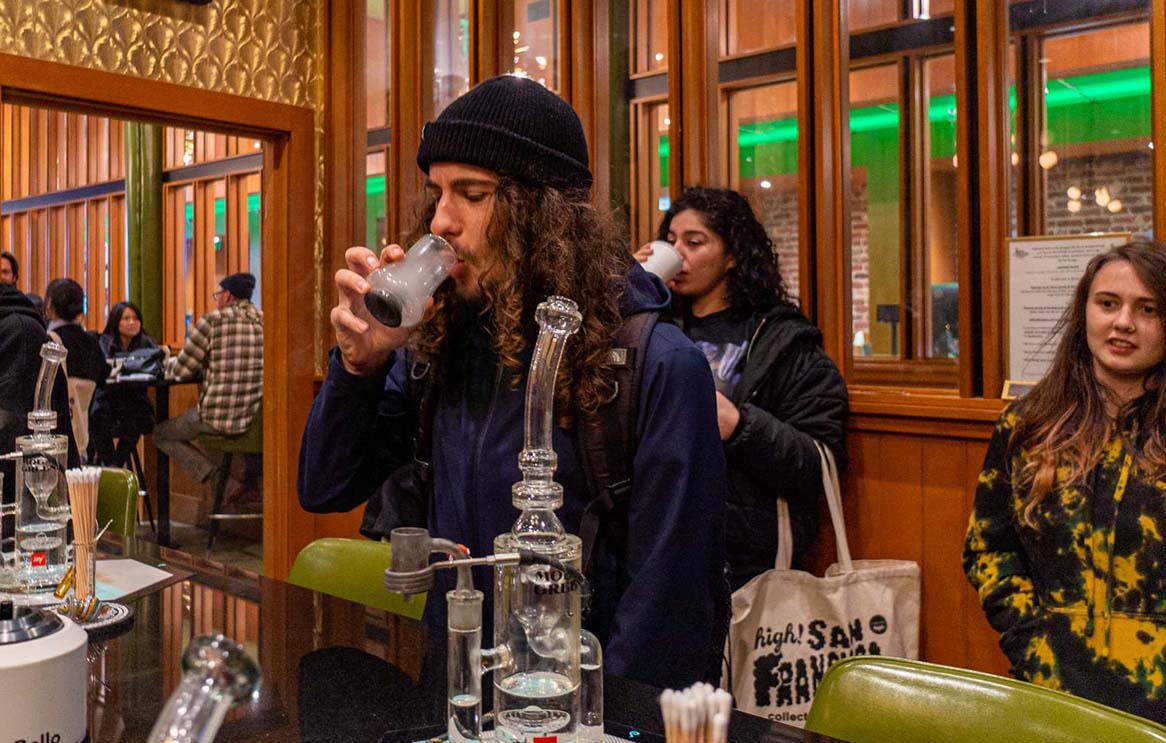
San Francisco lawmakers have introduced a bill aimed at revitalizing local cannabis consumption lounges. Pushed by Assemblymember Matt Haney, the new bill would expand the lounges beyond cannabis to include food, drink, and live entertainment, giving them a cafe-like feel.
KCRW spoke with Leafly Senior Editor David Downs for insight into California’s latest efforts concerning Assembly Bill 374. In response to the impact that California hopes the new bill will have, David Downs expects a more civil experience, which simply means, creating an environment that will “let stoners get together, smoke, eat, and listen to music.”
One of the main points activists and the industry make is how current laws allow bars to serve food and have live performances, yet cannabis lounges still operate under restrictions. At the moment, there are nearly two dozen licensed lounges in California, which only represents a small minority of states that have actually taken the necessary steps to legally open them. Downs cites over-taxation and regulation as significant hurdles preventing growth in the cannabis lounge space.

With cities still recovering post-COVID, attracting customers only compounds the challenges facing lounges like San Francisco’s Moe Greens. While the establishment is stoner heaven, if a customer wants anything other than water, they have to go somewhere else. That’s why Assembly Bill 374 has great potential to positively help many businesses. That said, there’s still a debate over how easy the transition will be.
In addition to Assembly Bill 374, California is leading the charge towards launching interstate cannabis commerce. Senate Bill 1326 was made to establish a controlled way to ship cannabis across borders, but in order to make it a reality, the Department of Cannabis Control (DCC) needs a written letter from the state attorney general agreeing that it is low risk. Once successfully initiated, California will be able to sell its excess cannabis crop in other markets.
To give you an example of how significant the potential growth is, cannabis is a $6 billion dollar business in California alone. The DCC says that, “We want the attorney general to tell us that it’s going to be fine. The feds aren’t going to sue or prosecute the state of California for authorizing weed shipments. Give us the green light to go out and work on this a little bit more.”
Once the network is established, consumers will benefit from a wider selection of choices and lower prices. Also, considering California’s large cannabis supply, local growers could make three times as much from selling pounds to other markets wholesale.