







Lean Cuisine Sued For Allegedly False Preservatives-Free Claim
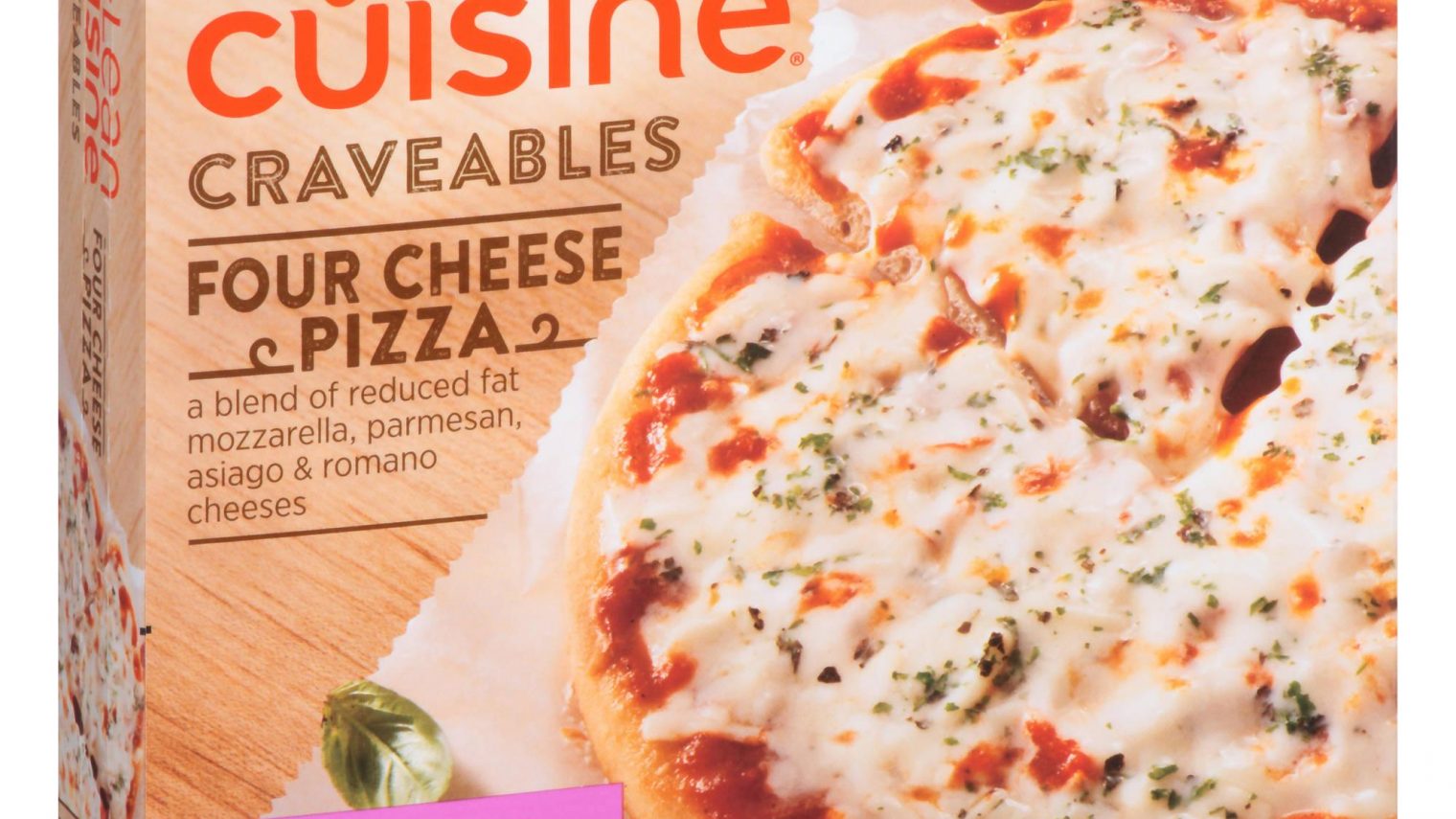
Photo: Chrome Delivery
Lean Cuisine touts that several of its “Craveables” products are preservative-free, and declares it on the labels. One woman, however, believes that not to be true.
Grubstreet reported from TMZ that an unnamed woman filed a complaint with the company regarding this preservative-free claim. Her issue particularly stems from the use of citric acid in a Craveables Four Cheese Pizza, and why it can be on the label without it being used as a preservative. While Lean Cuisine keeps the preservatives-free claim with this on the label, several of its competitors do not have this claim – and have citric acid on the label.
FDA labeling regulations require ingredients that are being used as preservatives to be labeled as such on the products’ ingredient labels, and for the function to be clearly defined (ie. “to promote color retention” or “to retard spoilage”).

Photo: Lean Cuisine
There’s clearly a lot of additives and ingredients in the label above, but none are declared as preservatives. Nestle, the parent company for Lean Cuisine, has issued a statement to TMZ that their labels do comply with USDA and FDA regulations. If that is the case, how could Lean Cuisine have something like citric acid – a well-known preservative – on the label, and yet not describe it as one and mark it as preservative-free?
From a food science perspective, citric acid is often used as a preservative. However, it does serve other purposes in food – predominantly, from a flavor perspective. Citric acid is often used to help promote – not preserve – the acidity of certain foods, like the tomato sauce in the pizza. So, if citric acid’s purpose is to be a flavor additive – and not a preservative, then Lean Cuisine’s label remains accurate from the citric acid perspective.
What’s interesting to note is that the woman suing Lean Cuisine missed out on another wildly popular preservative in the food industry – tricalcium phosphate, which is used in the seasoning blend. While also an acidifying preservative like citric acid, tricalcium phosphate in seasonings is typically used to fortify the seasoning with calcium and phosphorous. So both major preservatives found in Lean Cuisine can technically be labeled as not preservatives based on their presumed function – a nifty loophole that the company is using to keep a preservatives-free claim.
If the suit does make it to court, hopefully we’ll be able to see those uses defined more clearly by Lean Cuisine as they try to keep their preservative-free claim.