











Investigation Reveals a Heartbreaking Secret Behind Shrimp in the U.S.
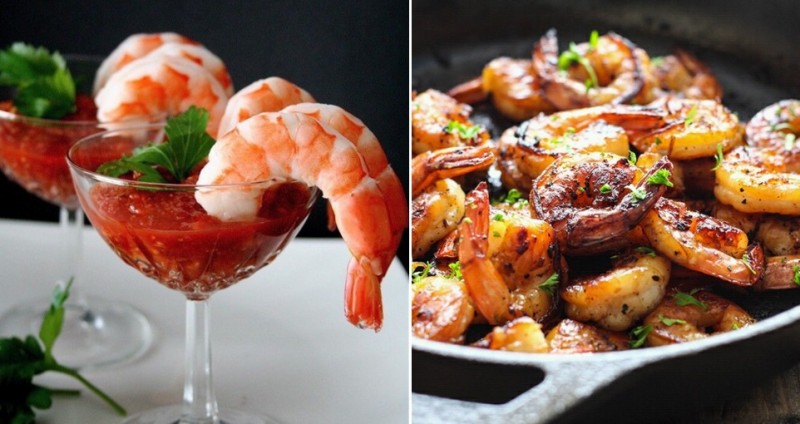
It is always convenient to eat peeled shrimp without having to remove its scaly, thin shell yourself. Peeling them can be tedious, annoying and can distract you from enjoying a meal. For your convenience, most shrimp products now come peeled.
The kicker: slaves in Thailand may have been the ones who prepared them for you.

A shocking discovery was recently made by the Associated Press when it found enslaved workers in Thailand are forced to peel shrimp in cramped, small spaces for up to 16 hours a day.
The slave workers were Burmese migrants lured to Thailand with the promise of a well-paying job by unscrupulous businessmen. Instead, the migrants are forced to start at 2 a.m. at the sound of a door kick and under the threat of getting beaten if they refuse to get up. They then begin their 16-hour jobs of peeling shrimp under constant monitoring from their Thai bosses.
Among the almost 100 Burmese workers trapped in the Gig Peeling Factory were women and children who allegedly receive very little or no pay at all. They are also forced to work through illnesses and are only allowed 15-minute lunch breaks. These workers endure physical and verbal abuse from their captors each day.
The AP’s discovery prompted U.S. officials and human rights activists to call on American consumers to be selective in where they purchase shrimp. Thailand supplies half of the U.S. demand for shrimp, which totals to about 1.3 billion pounds of shrimp every year (about 4 pounds per person).

Investigative reporters monitored supply trucks from the factory delivering to major Thai distributors. Records from U.S. Customs indicate that the shrimp from the abusive factory reaches major U.S. food channels and retailers such as Wal-Mart, Kroger, Dollar General, Petco and Olive Garden. The AP checked supermarkets in all 50 states and found shrimp from suppliers tainted with forced labor.
“All of us may find ourselves eating a slave made product without knowing it, but once we know it, we all have a moral obligation, I believe, to make a personal decision to boycott it,”said New Jersey Republican Congressman Chris Smith, a member of the House Foreign Relations Committee.
U.S. State Department Anti-Trafficking Ambassador Susan Coppedge advises consumers to check the government-backed website slaveryfootprint.org to make sure what they’re buying is not made with forced slave labor.

The AP’s investigative series into slavery in the Thai seafood industry has led to the release of more than 2,000 trapped fishermen.